Teknik Borcu Önceliklendirmek için 5 Pratik İpucu
Uzun vadeli kod kalitesi sorunlarını önlemek için teknik borcu özellik geliştirmeyle birlikte önceliklendirin. Bu rehber, tarafsız tahmin, özel çerçeveler ve paydaş desteğini kullanarak teknik borcu sprint planlamasına nasıl entegre edeceğinizi gösterir.
Neye ihtiyacınız var
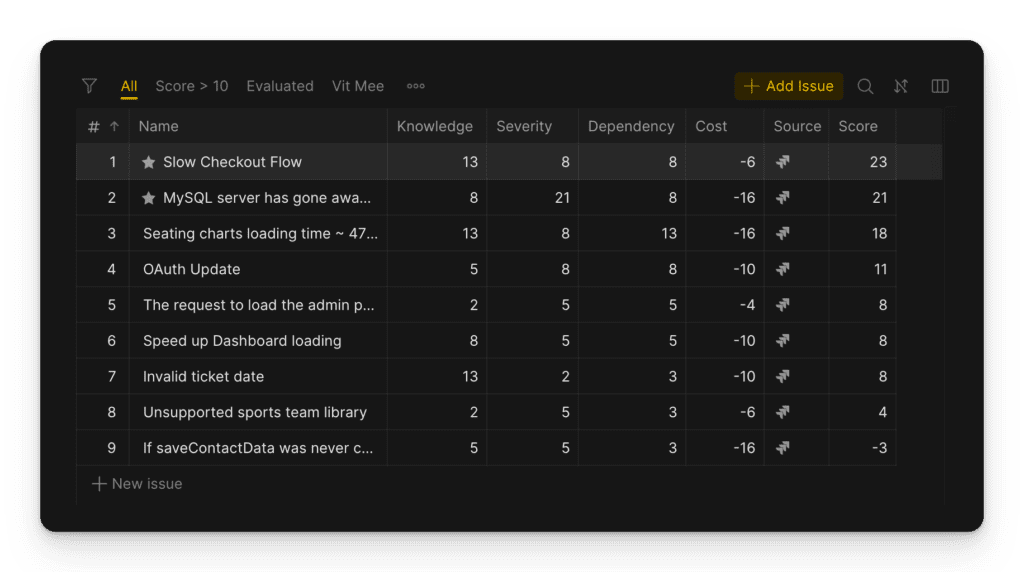
Bu ipuçlarını uygulamadan önce Teknik Borç Önceliklendirme Çerçevesi temellerini anlayın:
- Kod Bilgisi - Kod tabanına aşinalık
- Önem Derecesi - İşlevsellik veya performans üzerindeki etki
- Bağımlılık ve Ölçek - Etkilenen bileşen sayısı
- Düzeltme Maliyeti - Çözüm için gereken hikaye puanları
Formül: Toplam Puan = (Bilgi + Önem Derecesi + Bağımlılık) – 3 × Maliyet
https://hi.ducalis.io/signup adresinde ücretsiz bir Ducalis hesabıyla çerçeve şablonunu deneyin.
İpucu 1: Tahminlerle önyargıdan kaçının
Aşırı tahmin, düşük değerlendirme ve grup düşüncesi teknik borç tahminlerini yaygın olarak çarpıtır. Değerlendirme Pokeri her takım üyesinin öğeleri bağımsız ve asenkron olarak puanlamasını sağlayarak bu önyargıları ortadan kaldırır.
1. Yeni bir Pano oluşturun
- Teknik Borç Önceliklendirme Şablonu'nu kullanın.
- Alternatif olarak, Gösterge Panelinizden şablon galerisine erişin.
2. Teknik borç iş listenizi senkronize edin
Teknik borç Kayıtlarını otomatik olarak içe aktarmak için görev takipçinizi bağlayın:
- Integrations (Entegrasyonlar)'a gidin.
- Görev takipçinizi bağlayın:
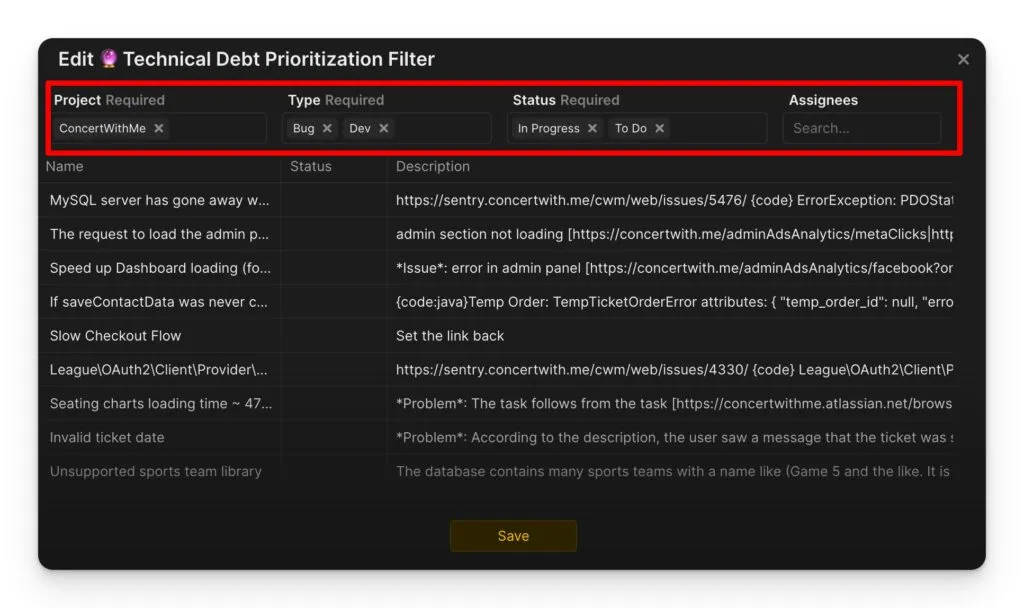
- Teknik borç özelliğinize göre bir filtre ayarlayın.
Tüm Kayıtlar Ducalis'te gerçek zamanlı olarak görünür ve senkronize kalır.
3. Değerlendirme Pokeri'ni kurun
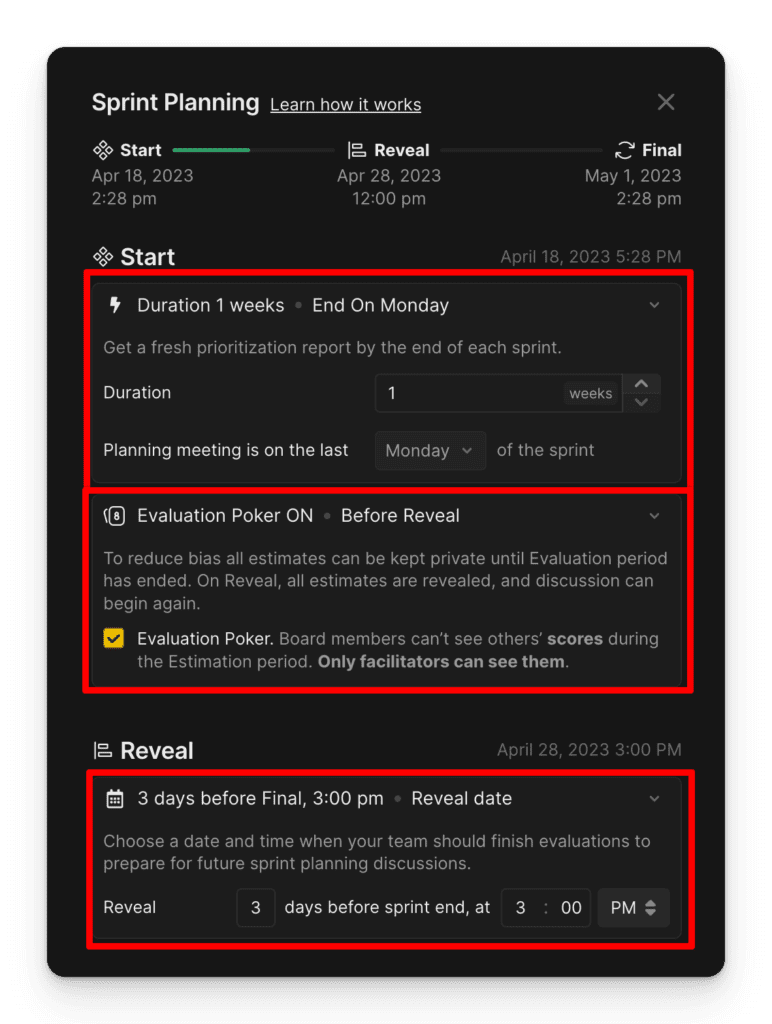
Açıklama anına kadar tahminleri gizlemek için Değerlendirme Pokeri'ni yapılandırın:
-
Board Settings (Pano Ayarları) → Evaluation (Değerlendirme)'yi açın.
-
Evaluation Poker (Değerlendirme Pokeri)'ni etkinleştirin.
-
Yapılandırın:
- Start (Başlat) - Tahminin ne zaman başladığı
- Reveal (Aç) - Puanların ne zaman görünür hale geldiği
- Final (Son) - Puanların ne zaman kilitlendiği
-
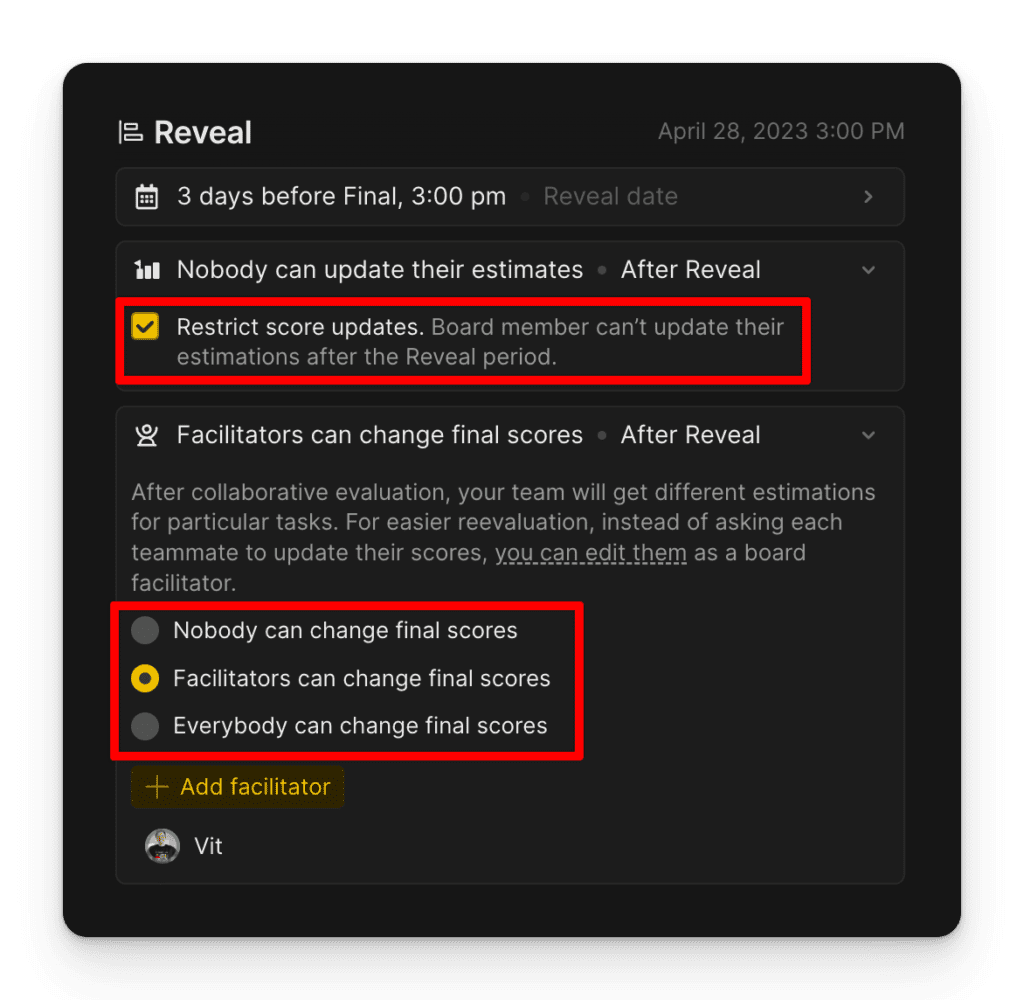
Açıklama anından sonra nihai öncelik puanına yapılan güncellemeleri kısıtlayın.
Bu yaklaşım her takım üyesinin şunları yapmasına olanak tanır:
-
Başkalarının görüşlerini etkilemekten kaçının
-
Her iş listesi öğesi hakkında düşünmek için zaman ayırın
-
Her Kayıt ve Kriter kombinasyonunu dikkatlice değerlendirin
Değerlendirme Pokeri ayarları hakkında daha fazla bilgi edinin.
İpucu 2: Önceliklendirme çerçevesini takımınız için özelleştirin
1. Kriterleri özelleştirin
Takımınızın anladığı Kriter açıklamaları yazın. Spesifik açıklamalar daha iyi önceliklendirme sonuçları üretir.
Açıkça tanımlayın:
-
Sprint süreleri
-
Bağımlılık tanımları
-
Engelleyici kriterleri
-
Kod bilgisi seviyeleri
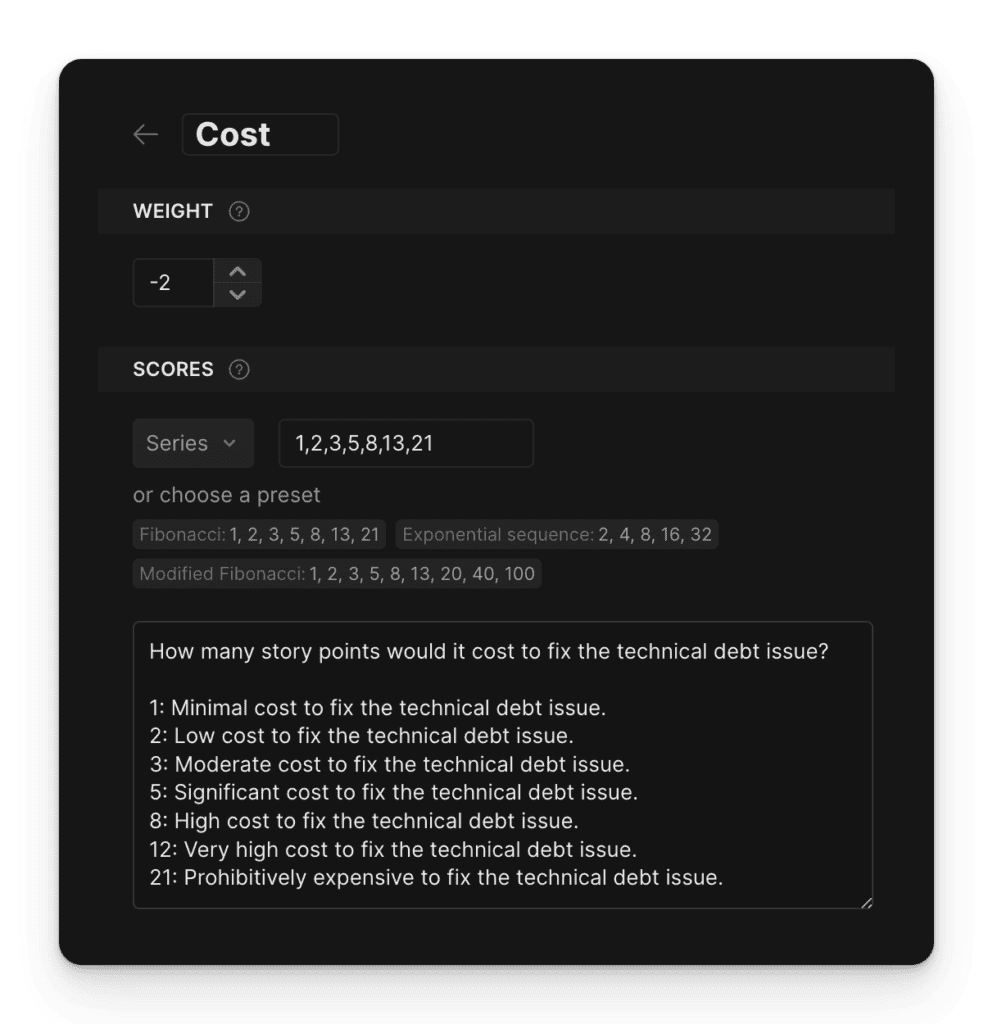
Tüm takım üyelerinin aynı tanımları ve değerlendirme ölçeklerini anladığından emin olun.
Kriter Açıklama Düzenleme hakkında daha fazla bilgi edinin.
2. Kriterleri belirli takım üyelerine atayın
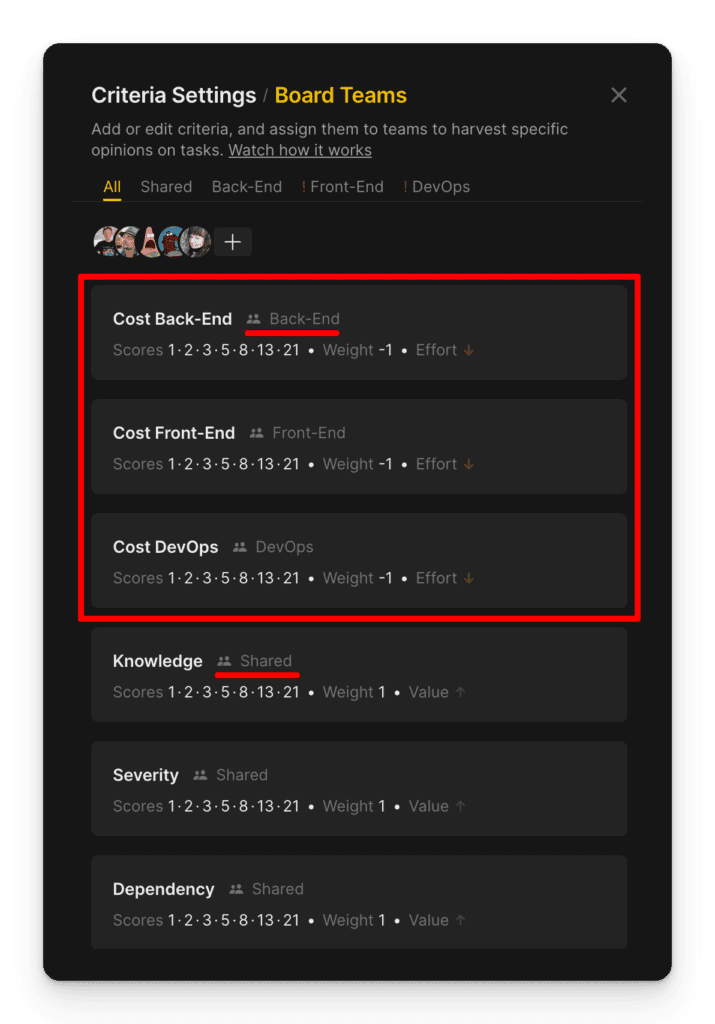
Teknik borç genellikle birden fazla altyapı bileşenini (arka uç, ön uç, DevOps, güvenlik) kapsar. Varsayılan şablon yalnızca bir Maliyet kriteri içerir.
Karışıklığı önlemek için:
-
Criteria Management (Kriter Yönetimi)'ni açın.
-
Her teknik alan için Maliyet kriterini çoğaltın.
-
Her kriteri ilgili takım üyelerine atayın:
- Cost (Back-end) (Maliyet (Arka uç)) → Arka uç mühendisleri
- Cost (Front-end) (Maliyet (Ön uç)) → Ön uç mühendisleri
- Cost (DevOps) (Maliyet (DevOps)) → DevOps ekibi
- Cost (Security) (Maliyet (Güvenlik)) → Güvenlik ekibi
Kriterleri takım üyelerine atama hakkında daha fazla bilgi edinin.
İpucu 3: Önceliklendirmede yanlış veya doğru cevaplar yoktur
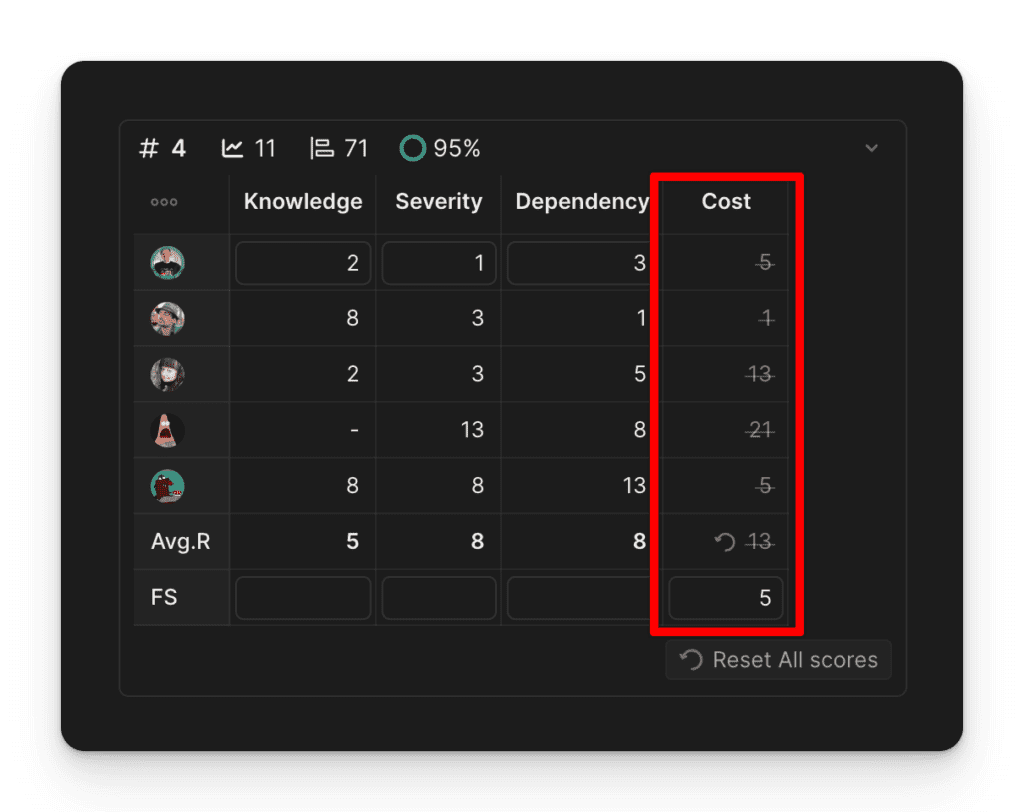
Takımın değerlendirmelerini açıkladıktan sonra, takım üyelerinin tahminlerinde hizalanıp hizalanmadığını kontrol edin. Bazen değerlendirmeler yakından hizalanır; bazen puanlar önemli ölçüde farklılaşır. Farklılaşan puanlar genellikle bilgi eksikliklerini veya alternatif çözüm yaklaşımlarını ortaya çıkarır.
Takım Hizalanma raporu görüşlerdeki farklılıkları vurgular.
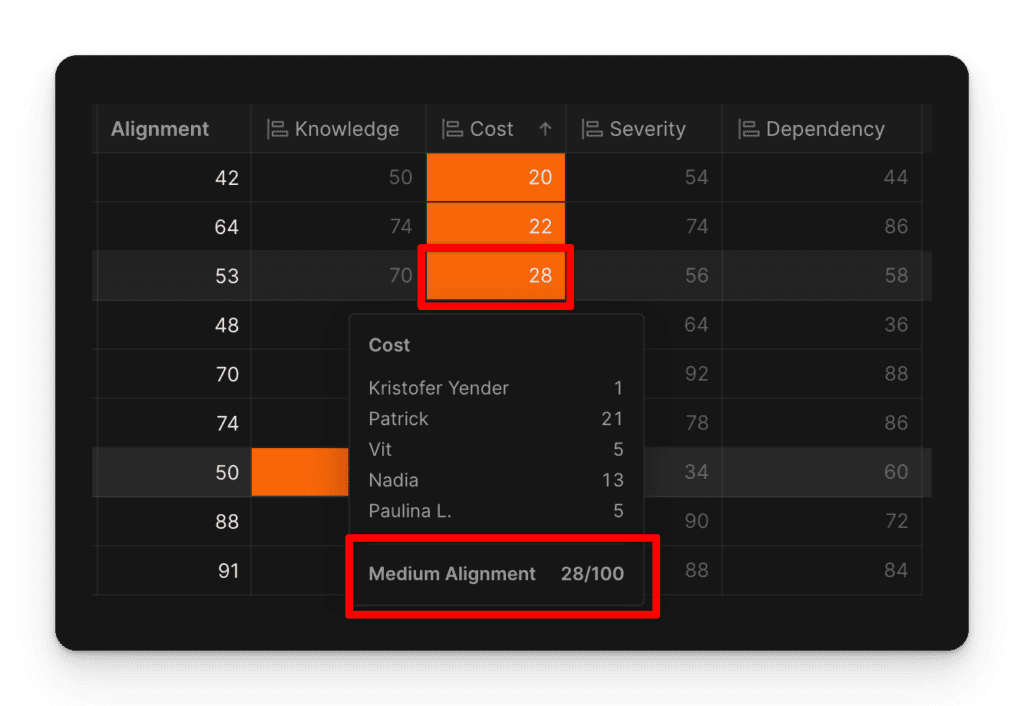
Düşük hizalanma puanı → Kayıt tahmini hakkında daha yüksek anlaşmazlık
Criteria Alignment (Kriter Hizalanması) bölümü, tartışma gerektiren en tartışmalı Kayıtları vurgular ve her kayıt-kriter-puan kombinasyonunu gözden geçirme ihtiyacını ortadan kaldırır.
Bir uyumsuzluk tespit ettiğinizde:
-
Tartışmaya aracılık etmesi için bir Moderatör davet edin.
-
Takım tartışmasından sonra nihai puanı güncelleyin.
Daha fazla bilgi edinin:
İpucu 4: Teknik borç iş listesini düzenli olarak gözden geçirin ve güncelleyin
Öncelikler zamanla değişir. Pazarlar gelişir, altyapı değişir ve ürün stratejileri yön değiştirir. Yüksek öncelikli bir Kayıt önemli bir süre boyunca iş listenizde hareket etmeden kalıyorsa, önceliğini sorgulayın.
Düzenli incelemeler ilerlemeyi takip etmenize, Kayıtları önceliklendirmenize ve teknik borç birikimini önlemenize yardımcı olur.
Teknik borç iş listesi bakımı için zaman bulmak zor olabilir. Score Expiration (Puan Sona Erme) özelliği, puanları küçük parçalar halinde periyodik olarak sıfırlayarak, takım üyelerinin eski Kayıtları kendi hızlarında yeniden değerlendirmelerine olanak tanıyarak yardımcı olur.
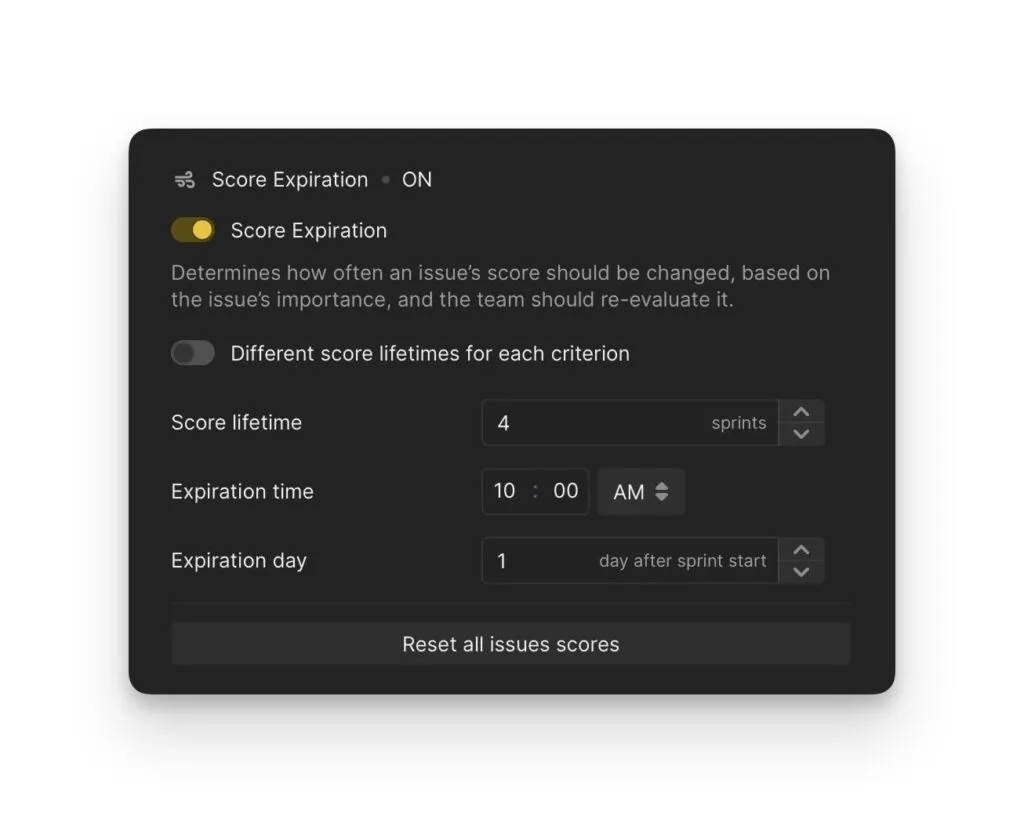
Puan Sona Erme hakkında daha fazla bilgi edinin.
İpucu 5: Ürün Müdürü ve paydaşlardan destek alın
Önceliklendirilmiş bir teknik borç listeniz olduğunda, bundan sonra ne yapacağınızı belirleyin.
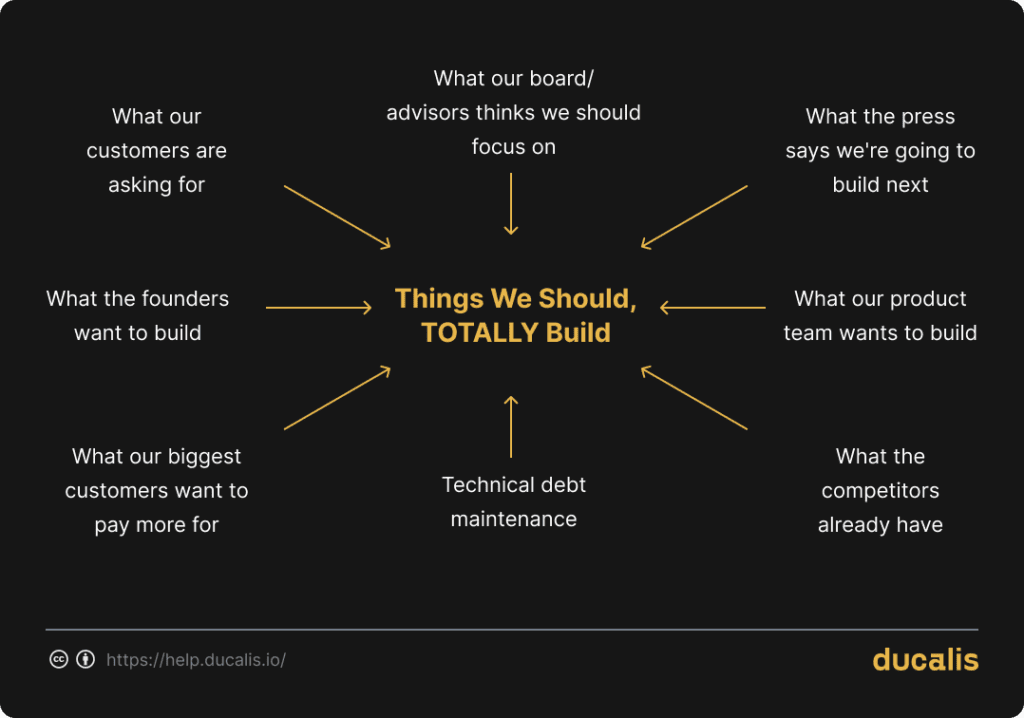
Zorluk: Teknik borç iş listeleri ürün iş listeleri, paydaş talepleri, müşteri talepleri ve acil sorunlarla rekabet eder.
Çözüm: Kullanıcı hikayeleri ve görevlerle birlikte sprint planlamasına teknik borç Kayıtlarını dahil edin. Bu, yeni özellik sunumuyla teknik borç çözümünü dengeler.
Ürün ve mühendislik iş listelerini tek bir birleşik iş listesi olarak değerlendirin.
Ducalis'teki toplanmış Panolarla, farklı önceliklendirme çerçevelerine sahip birden fazla iş listesini tek bir listede birleştirebilirsiniz.
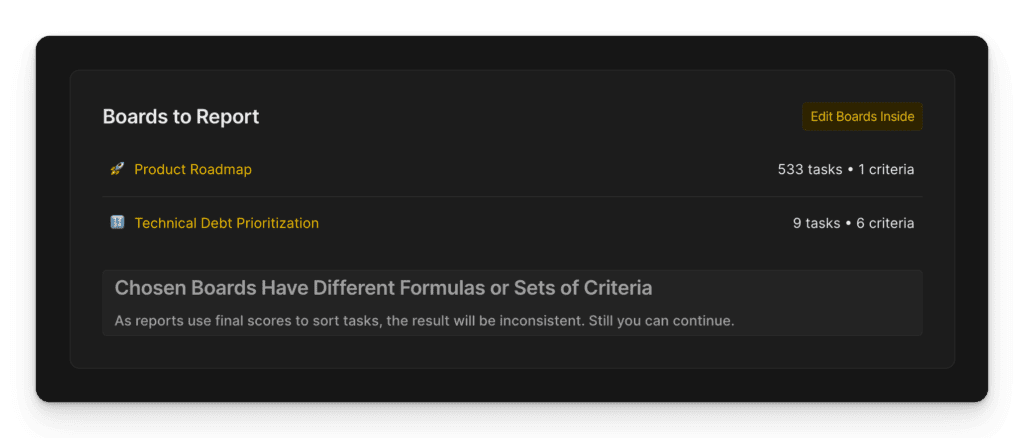
Toplanmış Rapor Panoları hakkında daha fazla bilgi edinin.
Sonuç
Etkili teknik borç önceliklendirmesi şunları gerektirir:
- Değerlendirme Pokeri ile Tarafsız tahmin
- Takımınızın ihtiyaçlarına göre uyarlanmış Özel çerçeveler
- Öncelikleri güncel tutmak için Düzenli incelemeler
- Anlaşmazlıkları çözmek için Takım hizalanması
- Teknik borcu ürün geliştirmeyle dengelemek için Paydaş desteği
Teknik borcu sprint planlama rutininize entegre ederek, kod kalitesini özellik sunumuyla dengeleyen sürdürülebilir geliştirme sağlarsınız.
İlgili kaynaklar
- Teknik Borç Önceliklendirme Çerçevesi - Eksiksiz çerçeve rehberi
- Değerlendirme Pokeri - Tahmin önyargısını azaltın
- Takım Hizalanması - Anlaşmazlıkları belirleyin
- Toplanmış Rapor Panoları - İş listelerini birleştirin